
Zbox Vision Automation works with inspection technologies that help manufacturers check pharmaceutical products during production. From tablets and capsules to labels, packaging, and printed codes, different parts of a product may need to be inspected before it is packed. Checking every item by hand can take considerable time when production volumes are high. Vision inspection systems can help automate these checks while products are moving along the production line.
With cameras and inspection software, these systems can check products while they are moving through the production line. They can be used for tablets, capsules, packaging, labels, printed information, and codes. Understanding the available inspection technologies can help companies looking for the Best Vision Inspection System for Pharma identify a solution that fits their inspection needs.
Machine Vision for Pharmaceutical Inspection
Machine vision involves the use of cameras, lights, and software to take images of products and analyse them. The system then compares the image taken to the inspection parameters set and detects products that do not meet the required conditions.
In the pharmaceutical industry, the system may be used to inspect products for appearance, shape, colour, surface imperfections, printing, and packaging. Since this process is automated, it ensures consistent inspections on many products.
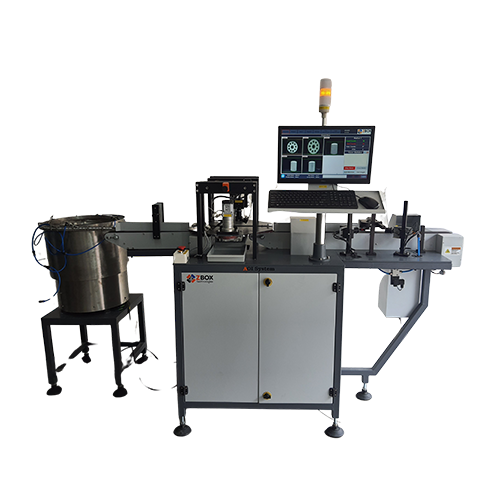
Tablet and Capsule Inspection
Tablets and capsules may require visual inspection before they move to the packaging stage. Vision systems can help to identify visible issues such as cracks, chips, broken edges, colour variations, surface marks, or differences in shape.
For capsules, the inspection can include checking the capsule body and cap, colour, orientation, and other visible conditions. Automated inspection can help separate products that do not meet the defined visual criteria.
This becomes especially useful on high-speed production lines where checking every product manually may be time-consuming.
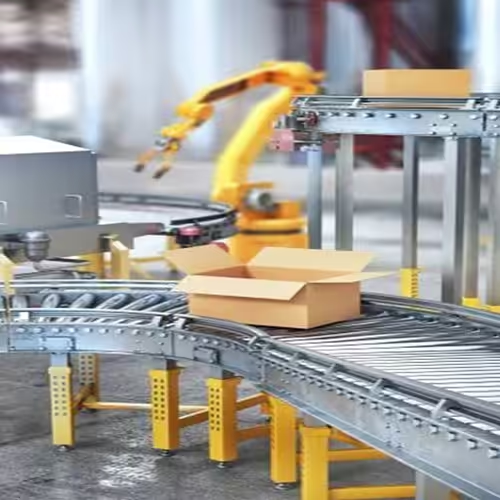
Packaging and Label Inspection
Pharmaceutical packages have all the relevant information about the product. Labels can consist of the product name, batch number, expiration date, dosage details, and any other identification information.
Vision inspection machines can verify the presence of the label, its placement, and whether the label has been printed properly.
Such inspection helps manufacturers to detect packaging-related issues before products move further through the production process.
OCR and OCV for Print Verification
OCR technology is useful for verification of information that is printed on pharmaceutical products or their packaging.
OCR or Optical Character Recognition technology reads printed characters like batch numbers, dates, and codes. OCV, or Optical Character Verification, verifies whether the printed characters are correct.
These technologies can help identify missing, incorrect, or poorly printed information. When integrated with a vision system, they can become part of an automated inspection process.
Barcode and 2D Code Inspection
Barcodes and 2D codes are commonly used for product identification and traceability. A vision system can decode these symbols and verify that they are present and decodable.
It will depend on the application on which type of code the vision system verifies: 1D codes, QR codes, or Data Matrix codes.
For companies searching for the Best Vision Inspection System for Pharma, Zbox Vision Automation offers solutions that can support different code-reading and verification requirements.
AI-Based Vision Inspection
Artificial intelligence and deep-learning technologies are also being used in modern machine vision applications. These technologies can help analyse images and identify certain types of defects that may be difficult to handle with basic rule-based inspection.
However, AI is not automatically the right choice for every inspection application. The suitable technology depends on the product, defect type, inspection speed, image quality, and production requirements.
Selecting the Right Inspection Technology
Every pharmaceutical production line has its own inspection needs. Before selecting a vision system, manufacturers should consider what needs to be checked, how quickly the products move through the line, what types of defects need to be detected, and how the system will integrate with existing equipment.
Camera resolution, lighting, software capabilities, OCR/OCV support, barcode reading, product handling, and inspection accuracy are also worth considering.
Frequently asked QuestionS
Vision inspection utilizes cameras and lighting to automatically detect visual and printing-related conditions in pharmaceutical products or packaging.
Vision inspection can inspect tablets, capsules, labels, packages, printing, barcodes, QR codes, Data Matrix codes, as well as any visible defects on the products.
OCR detects printed characters, whereas OCV checks whether the printed characters match the required information.
Yes. Vision systems can be configured to check labels, printed information, codes, packaging components, and other defined visual requirements.
The selection should be based on the product, inspection points, defect types, production speed, camera and lighting requirements, software capabilities, and integration with the existing production line.
Conclusion
Modern inspection technologies are helping pharmaceutical manufacturers automate important quality checks across products and packaging. Machine vision, tablet and capsule inspection, OCR, OCV, barcode verification, and AI-based technologies can support different inspection requirements in pharmaceutical manufacturing, depending on the product and production process.
Zbox Vision Automation provides vision-based inspection solutions for applications where automated visual checking and verification are required. If you are planning to automate pharmaceutical inspection, discuss your product and inspection requirements with the team to identify a suitable solution.